Why care providers love bungalows — and why demand keeps growing
2nd April 2026
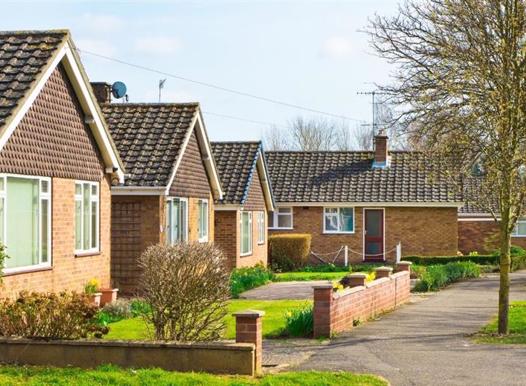
If you asked a room full of supported living care providers to name their ideal property type, bungalows would appear on almost every list. The demand is consistent, the supply is limited, and the reasons are straightforward once you understand who these properties are housing.
Accessibility by design
The single-storey layout of a bungalow removes one of the most common barriers for residents with physical disabilities or mobility issues — stairs. For wheelchair users, or individuals who use hoists or walking aids, a bungalow isn't just convenient — it's essential. It allows residents to move through their home independently, with dignity, without requiring assistance for every transition.
This also makes adaptations significantly easier and less costly than in multi-storey properties. Wet rooms, wider doorways, ceiling track hoists — all of these are far simpler to install in a single-level property.
Privacy and calm for complex needs
Smaller bungalows are particularly well-suited to individuals with complex or high-support needs. For someone with severe autism, for example, a quiet, contained environment — their own home — can make an enormous difference to their quality of life and the stability of their care. The demand for this type of setting is significant and growing.
Community living in a larger bungalow
At the other end of the scale, larger bungalows offer something equally valuable — the opportunity for small groups to live together in an environment that still feels genuinely residential. Young people with physical disabilities, for instance, may actively want to share a home with peers. A large bungalow with accessible bathrooms, shared living space and a staff area can deliver exactly that.
They feel like a home — and that's the point
This is perhaps the most important thing to understand about what care providers are looking for. They are not searching for institutional spaces or purpose-built facilities. They want properties that feel warm, safe and ordinary — because that is what enables the people living in them to build a life, not just receive care.
Bungalows, with their residential character and accessible layout, tick that box better than almost any other property type.
If you own a bungalow and have been wondering whether supported living could work for you, the honest answer is that it very likely could. Demand consistently outstrips supply on our platform — list it on the Gateway and see if any of our providers are interested.