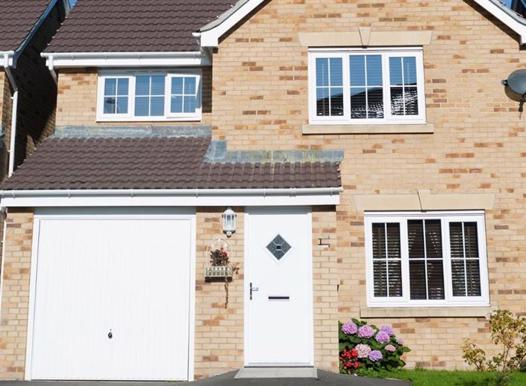
One of the most common misconceptions in supported living investment is that the properties involved are somehow specialist, unusual, or heavily adapted. The reality — particularly in the children's homes sector — is often the complete opposite.
Ordinary 3 and 4 bedroom detached family homes, on normal residential streets, are among the most sought-after properties in the sector. And for investors willing to look beyond traditional property strategies, they represent a genuinely compelling opportunity.
The importance of feeling normal
For a child or young person in care, living in a house that looks and feels like everyone else's home on the street is not a small thing. It matters deeply to their wellbeing, their sense of identity, and their ability to integrate into the community. Care providers and regulators alike recognise this — which is why the demand for ordinary residential homes continues to grow, while large institutional-style facilities are declining.
A completely different investment approach
For investors used to traditional property strategies — buying below market value, adding value through renovation, then refinancing — the supported living model in this area can feel counterintuitive. You're not looking for rundown properties to transform. You want a home that is already warm, safe, and ready to move into.
As one of our investors, Andy Miller, put it after making the transition: "It's the complete opposite of that process. We want properties that are already family homes and ready to move into." You can read more about Andy’s experience here.
The value isn't created through the building work. It's created through the lease agreement and the social purpose the property serves.
Long leases, stable income
In the children's homes sector, 20-year leases are not unusual. For the children living in these homes, that long-term consistency is essential. For investors, it provides an exceptional degree of income security — particularly welcome in an era of rising costs and unpredictable rental markets.
What care providers are looking for
The criteria are refreshingly straightforward: a 3 or 4 bedroom home in a residential area, good access to amenities and transport, outdoor space, and a property that genuinely feels like a family home. Parking, proximity to schools, and good neighbour relationships all matter too.
Specialist construction is rarely required. Significant adaptations are rarely needed. The focus is simply on finding the right home — and pairing it with the right provider.
If you have a family home in your portfolio, or are considering one as your next purchase, it could be far more valuable to a supported living provider than you might expect.